Stocks Available
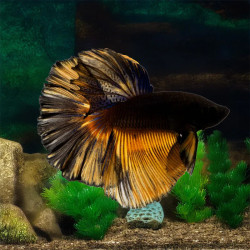
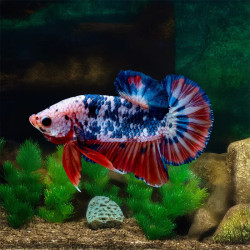
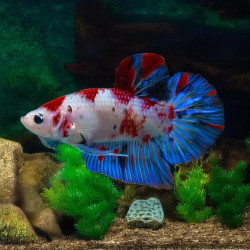
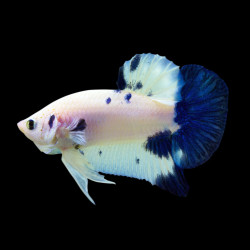
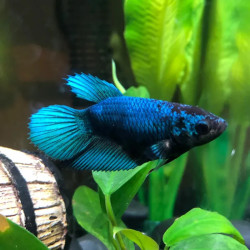
Blue Marble Betta - Male
SKU:128839
BETTA SPLENDENS
2 INCH

Stock Available
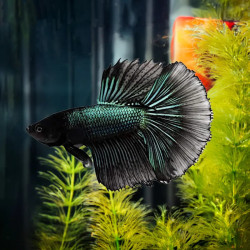
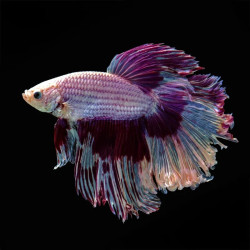
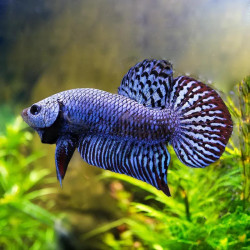
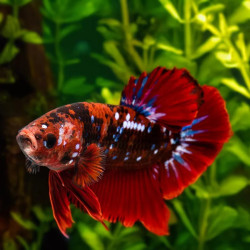
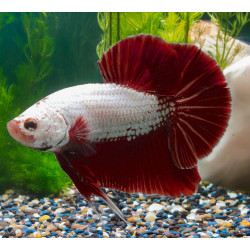
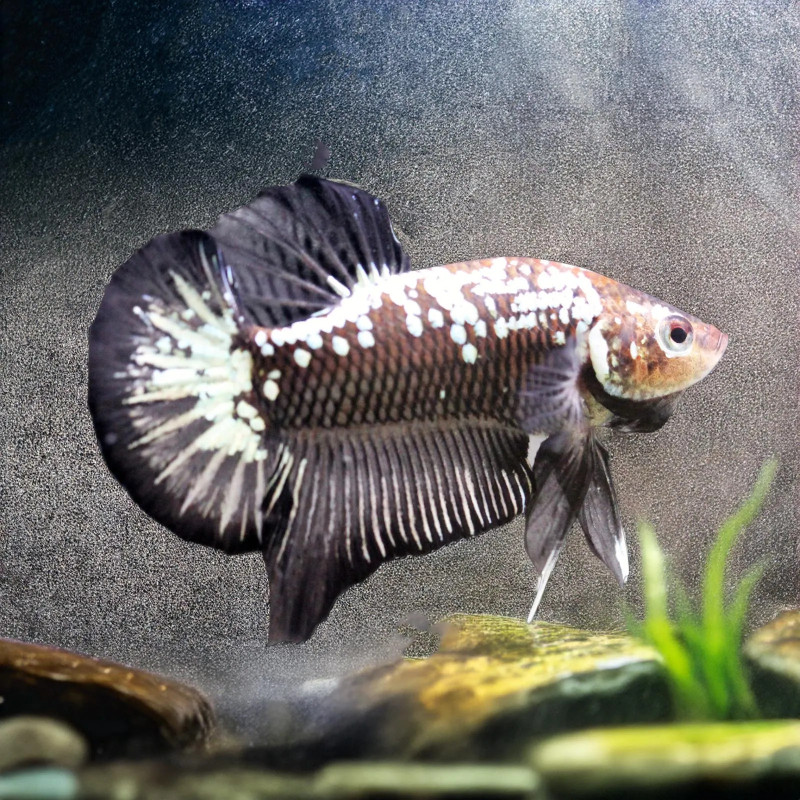
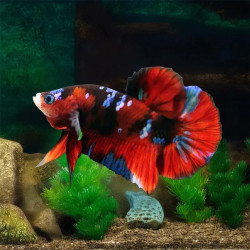
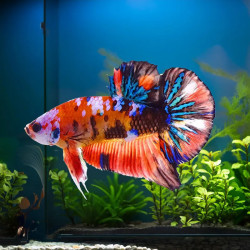
Introduction: • Common Name: Samurai Betta • Natural Habitat: Native to Southeast Asia, particularly in slow-moving waters such as rice paddies, ponds, and marshes. Physical Characteristics: • Appearance: The Samurai Betta is characterized by its distinctive, vibrant color patterns, which often include rich shades of red, blue, and yellow. The fish's flowing fins and long, elegant tail give it a regal, samurai-like appearance, resembling the traditional Japanese warrior's attire. • Size: Typically grows up to 3 inches (7.5 cm) in length. • Lifespan: Average lifespan of 2-3 years with proper care. Habitat Requirements: • Tank Size: A minimum of 5 gallons for a single Betta; larger tanks (10 gallons or more) are recommended for more comfortable living. • Water Conditions: o Temperature: 75-80°F (24-27°C). o pH: 6.5-7.5. • Aquascaping: Preferably housed in aquariums with soft, live plants, and hiding spots. Avoid sharp decorations to prevent fin damage. Diet: • Primary Diet: Carnivorous; in the wild, Betta fish feed on small insects, larvae, and crustaceans. • Supplemental Feeding: High-quality Betta pellets or flakes, supplemented with live or frozen foods such as brine shrimp, bloodworms, or daphnia. • Feeding Frequency: Offer small amounts once or twice a day, ensuring the fish consumes all food within a few minutes to prevent water contamination. Compatibility: • Temperament: The Samurai Betta is known for its territorial nature, particularly the males. It is best kept alone or with non-aggressive tank mates to avoid conflict. • Suitable Tank Mates: Peaceful species such as snails, tetras, or Corydoras catfish are suitable companions. • Incompatibilities: Avoid keeping multiple male Bettas together or with fin-nipping species, as these may cause stress or aggression. Care Level: • Difficulty: Moderate. While Samurai Bettas are generally hardy, they require stable water conditions and regular care, including water changes and a balanced diet. • Health Monitoring: Regularly check for signs of common Betta diseases such as fin rot, velvet, or ich. Ensure the aquarium is clean and the fish is not under stress. Breeding: • Breeding in Captivity: Breeding can be done with the right setup. The male constructs a bubble nest and courts the female. After fertilization, the male guards the eggs and the developing fry. • Spawning: The male Betta guards the nest of eggs until the fry are free-swimming. Careful monitoring of the fry is required until they are capable of feeding on their own. Economic Considerations: • Market Demand: The Samurai Betta is sought after for its unique and striking appearance, making it a popular choice for Betta fish collectors. • Pricing: Prices for Samurai Bettas can vary based on the quality of their coloration and their breeding lineage. High-quality specimens tend to be more expensive due to their rarity and vibrant colors. Conclusion: The Samurai Betta is a breathtaking addition to any aquarium, admired for its regal appearance and vivid colors. With its territorial nature and stunning finnage, it is a perfect choice for hobbyists who can provide the proper environment. As long as they are cared for with attention to water conditions, diet, and tank mates, Samurai Bettas can thrive and remain an eye-catching centerpiece in your aquarium.
Data sheet
16 other products in the same category:
Stocks Available
SKU:128839
2 INCH
Stocks Available
SKU:102869
2 INCH
Stocks Available
SKU:113463
2 INCH
Stocks Available
SKU:102867
2 INCH
Stocks Available
SKU:127016
1.5 INCH
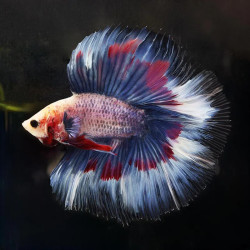
Stocks Available
SKU:127017
1.5 INCH
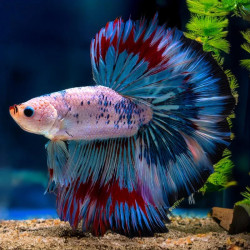
Stocks Available

SKU:101998
N/A
Stocks Available
SKU:126190
2.5 - 3 INCH
Stocks Available
SKU:125514
2 INCH
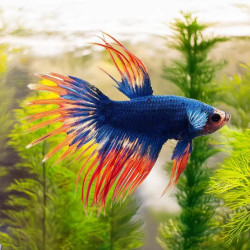
Stocks Available
SKU:119526
2 INCH
Stocks Available
SKU:114760
2 INCH
Stocks Available
SKU:114476
2 INCH
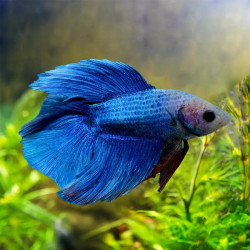
Stocks Available
SKU:103298
Large
Stocks Available

SKU:126417
2.5 INCH
Stocks Available
SKU:112725
2 INCH
Stocks Available
SKU:128840
2 INCH
Customers who bought this product also bought:
Stocks Available
SKU:102014
1.5 INCH
Stocks Available
SKU:126417
2.5 INCH
Stocks Available
SKU:120097
2 INCH
Stocks Available
SKU:119528
2 INCH